If you’re visiting the region for the first time, you’re likely wondering: how does transportation in Palestine work? Understanding the different ways to travel inside Palestinian cities and across the West Bank is crucial for a smooth experience. This comprehensive guide will help you navigate the transportation in Palestine with ease, whether you’re a tourist, volunteer, or student.

1. Overview of Transportation in Palestine
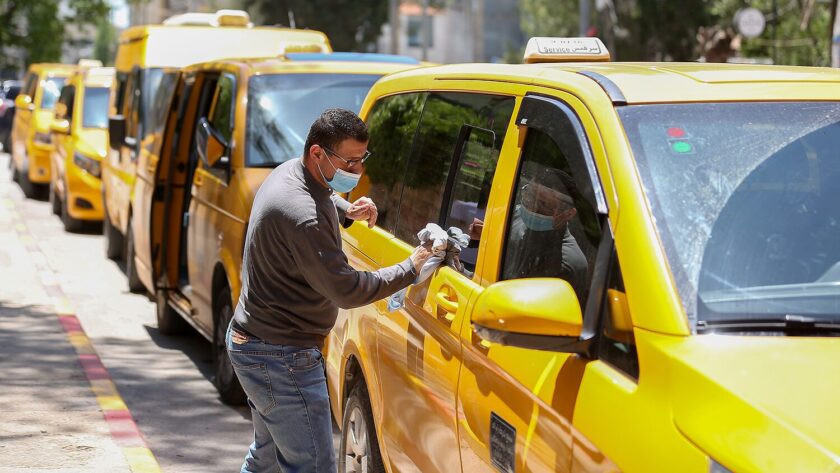
Transportation in Palestine is a mix of modern and traditional systems. You’ll find shared taxis (service), private cabs, buses, and local minibuses connecting most cities and villages. Although there’s no official rail system, the road network serves as the backbone of Palestinian transportation.
Despite the limitations posed by the political situation and movement restrictions, transportation in Palestine is functional, affordable, and widely available.
2. Shared Taxis (Service) – The Most Popular Mode
One of the most commonly used forms of transportation in Palestine is the service, or shared taxi. These yellow vehicles operate fixed routes between cities and towns. Instead of waiting for a schedule, they leave once all seats are filled (usually 6 or 7 passengers).
For example, traveling from Ramallah to Nablus takes around one hour and costs 15–20 NIS. Shared taxis are faster than buses and more direct, making them a top choice for locals and travelers alike.
3. Public Buses in Palestine
Public buses operate between major Palestinian cities. They are slightly cheaper than shared taxis, but they take longer due to multiple stops. Bus stations are available in most urban centers like Bethlehem, Hebron, Jenin, and Tulkarem.
The transportation in Palestine through public buses is affordable (as low as 10 NIS for short trips), though services can be irregular in smaller towns. Timetables are sometimes posted but aren’t always followed precisely, so some flexibility is required.
4. Private Taxis in Palestine
If you prefer privacy and convenience, private taxis are widely available. You can flag one down on the street or call a local taxi service. Prices are negotiable but usually start around 10–15 NIS for short distances within a city.
Private taxis are an essential part of transportation in Palestine, especially at night when buses and shared taxis may stop operating. However, always confirm the fare before starting your trip to avoid misunderstandings.
5. Renting a Car in Palestine
Yes, you can rent a car! Although it’s less common for short visits, transportation in Palestine by car rental is possible in cities like Ramallah and Bethlehem. Make sure your insurance covers the West Bank, and always drive carefully, especially on hilly or rural roads.
One thing to note: Israeli and Palestinian areas have separate road systems. Israeli rental cars may not be allowed into Areas A and B of the West Bank. A Palestinian rental company is your safest bet if you’re planning to stay within the Palestinian territories.
6. Transportation Between Palestine and Israel
Crossing between Palestinian cities and Israel involves checkpoints. Some international visitors can use shared taxis to cross into East Jerusalem via Qalandiya or Bethlehem checkpoints. Others may need to switch vehicles when crossing.
This part of transportation in Palestine can be unpredictable due to military controls. Always allow extra time and carry valid identification, including your passport and visa.
7. Walking and Local Transport in Cities
Within Palestinian cities like Ramallah, Hebron, or Bethlehem, walking is often the best option. Streets are narrow and walkable, and many attractions are located close together. Small local vans (called servees) also offer quick transport inside cities for just a few shekels.
Transportation in Palestine is very pedestrian-friendly in urban centers, though you’ll want good walking shoes due to uneven pavements and hills.
8. Travel Apps and Maps for Palestinian Transport
While Google Maps offers general guidance, it’s not always accurate when it comes to transportation in Palestine. Alternative tools like Moovit or PalTransit provide better local data.
Offline maps, such as Maps.me, are also helpful, especially in areas with weak internet signals. Asking locals for directions is common, and people are usually eager to help.
9. How Safe Is Transportation in Palestine?
Transportation in Palestine is generally safe for foreigners. Taxis and shared services operate during daylight and early evening. However, political tensions may occasionally affect travel, especially near checkpoints.
For extra safety:
- Avoid traveling late at night.
- Follow local news and updates.
- Stick to well-known routes and cities.
By being cautious and informed, you’ll find that transportation in Palestine is both accessible and welcoming.
10. Cost of Transportation in Palestine
The good news? Transportation in Palestine is very affordable:
| Type of Transport | Avg. Cost (NIS) | Description |
|---|---|---|
| Shared Taxi (Service) | 10 – 25 | Fixed route, shared with others |
| Public Bus | 5 – 20 | Slower but cheap |
| Private Taxi | 15 – 50+ | Negotiable fare |
| Car Rental | 150+ per day | Depends on the company |
| City Minivan | 2 – 5 | Short city hops, fast and cheap |
Keep small change handy, as drivers may not always have coins. Tipping isn’t required but is appreciated for longer or difficult trips.
Frequently Asked Questions about Transportation in Palestine
Can foreigners use public transport in Palestine?
Yes! Public buses, shared taxis, and private cabs are open to all travelers.
Is Uber available in Palestine?
No, Uber and similar apps don’t currently operate in the West Bank. Use local taxi services instead.
Do I need to speak Arabic to use transportation in Palestine?
Not necessarily. While Arabic helps, many drivers understand basic English. Just name your destination clearly.
Can I travel between Palestinian cities easily?
Absolutely. Major cities are well connected by shared taxis and buses.
From shared taxis to public buses, transportation in Palestine offers plenty of affordable and accessible options. Whether you’re visiting for a few days or staying longer, this guide gives you the tools to get around confidently.
By planning ahead and staying flexible, you’ll discover that transportation in Palestine is both practical and part of the local cultural experience.