
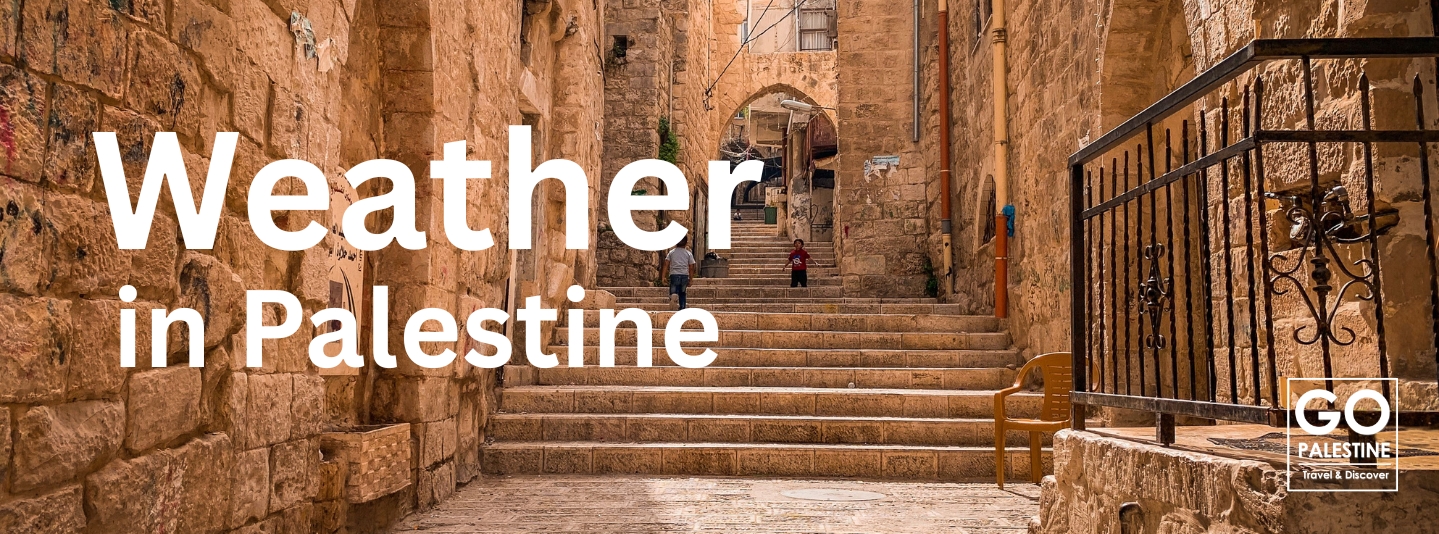
If you’re planning a trip to Palestine, one of the most important things to consider is the weather in Palestine. Knowing what to expect throughout the seasons can help you pack better, plan activities smarter, and enjoy your visit to the fullest. This guide covers everything you need to know about the weather in Palestine — month by month, region by region, and season by season.
1. What is the Weather Like in Palestine Year-Round?
The weather in Palestine varies by season, geography, and altitude. Palestine enjoys a Mediterranean climate with hot, dry summers and cool, wet winters. However, the weather in Palestine can differ between the coastal regions like Gaza, the central hills of the West Bank, and the Jordan Valley.
Summer (June to August) is typically sunny and dry. Winter (December to February) can be rainy and cold, especially in the highlands like Ramallah or Bethlehem.


2. Summer Weather in Palestine (June to August)
During summer, the weather in Palestine becomes hot and dry. Temperatures often reach 30°C (86°F) or higher, especially in Jericho and the Jordan Valley. The coastal regions are milder, while hill cities like Nablus or Hebron enjoy cooler evenings.
Light clothing, sunscreen, and hydration are essential. Despite the heat, summer is ideal for sightseeing in the early morning or late afternoon when the temperatures are more bearable.
3. Winter Weather in Palestine (December to February)
Winters can be surprisingly chilly. In cities like Bethlehem and Ramallah, the weather in Palestine during winter includes rain, wind, and occasional snowfall. Temperatures range between 5°C to 12°C (41°F to 54°F). You’ll need warm clothes, waterproof shoes, and a raincoat.
Snow is rare but not impossible, especially in high-altitude areas. If you’re visiting during winter, prepare for rain delays and shorter daylight hours.
4. Spring and Fall: The Best Weather in Palestine
Spring (March to May) and fall (September to November) are the most pleasant seasons. Temperatures range from 15°C to 25°C (59°F to 77°F), and the landscapes come alive with green hills, blooming flowers, and fresh produce markets.
These seasons offer the most comfortable weather in Palestine for outdoor activities, cultural tours, and local festivals. If you’re wondering when to visit, spring and fall are excellent choices.
5. Regional Differences in the Weather in Palestine
- Gaza Strip: The coastal climate means hot, humid summers and milder winters.
- West Bank Highlands: Cities like Hebron and Ramallah experience more rain and colder winters.
- Jordan Valley: Jericho has the hottest weather in Palestine, often exceeding 40°C (104°F) in summer.
- East Jerusalem: Its weather is similar to the central West Bank, but slightly warmer due to lower elevation.
These regional differences mean that the weather in Palestine is not uniform — always check the forecast for your specific destination.
6. Monthly Guide to the Weather in Palestine
| Month | Avg. Temp (°C) | Description |
|---|---|---|
| January | 7 – 12 | Cold, wet, potential for snow |
| February | 8 – 13 | Rainy, slowly warming |
| March | 11 – 17 | Spring starts, mild and fresh |
| April | 15 – 21 | Warm and sunny |
| May | 18 – 25 | Hot days, cooler nights |
| June | 22 – 30 | Hot, dry, sunny |
| July | 24 – 33 | Peak heat, stay hydrated |
| August | 24 – 34 | Very hot, especially in Jericho |
| September | 21 – 30 | Still warm, cooler nights |
| October | 18 – 26 | Perfect for outdoor activities |
| November | 13 – 20 | Cooling down, first rains appear |
| December | 9 – 14 | Cold and rainy |
This table offers a general overview of the weather in Palestine, helping you prepare month by month.
7. How Does the Weather in Palestine Affect Daily Life?
Palestinians adapt their routines around the climate. In summer, activities start early or late to avoid the heat. In winter, people often stay indoors during rainstorms and keep homes warm with gas or electric heaters.
The weather in Palestine also influences agriculture. Olives, grapes, and citrus fruits are seasonal, and harvests align with the climate cycles.
8. What to Pack for the Weather in Palestine
- Summer: Light clothes, a sunhat, water bottle, and sunglasses.
- Winter: Warm layers, umbrella, scarf, and waterproof shoes.
- Spring/Fall: Comfortable walking shoes, layered clothing, and a light jacket.
Because the weather in Palestine can change quickly, especially in spring and fall, it’s smart to dress in layers.
9. Is the Weather in Palestine Safe for Travel?
Yes, the weather in Palestine is generally safe for travel. Extreme conditions like floods or snowstorms are rare but possible. Always check the local forecast and travel advisories.
Roads can become slippery during winter rain or snow, especially in hilly cities. In summer, be cautious about sun exposure and dehydration.
10. Where to Check the Weather in Palestine Online
To get accurate updates on the weather in Palestine, use trusted sources:
- AccuWeather Palestine – Hourly and weekly forecasts.
- Weather.com – Long-range forecasts and alerts.
- Palestinian Meteorological Department – Local updates (in Arabic).
Checking these sites regularly can help you make informed decisions during your visit.
Frequently Asked Questions about the Weather in Palestine
Is there snow in Palestine?
Yes, snow occasionally falls in highland cities like Ramallah and Bethlehem during winter.
When is the best time to visit Palestine?
The best time is during spring (March to May) or fall (September to November) when the weather is mild and nature is at its best.
How hot is Palestine in the summer?
Temperatures can exceed 35°C (95°F) in many areas, especially in the Jordan Valley.
Does Palestine have a rainy season?
Yes, most of the rain falls between November and March.
Understanding the weather in Palestine helps you plan better, stay comfortable, and enjoy your journey. Whether you’re exploring ancient cities, hiking through hills, or visiting local markets, knowing what to expect from the climate is essential.
The weather in Palestine can be your friend or your challenge — depending on when and where you go. With this guide, you’re ready to travel smart and experience Palestine in every season.