
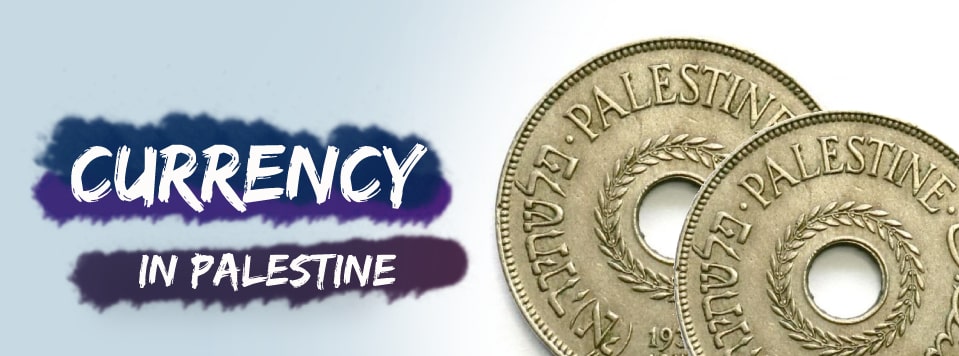
If you’re asking, “What is the currency in Palestine?”, you’re not alone. This is one of the most common questions asked by travelers, volunteers, and anyone interested in Palestinian daily life. The answer isn’t straightforward, because Palestine doesn’t have its own official currency—yet people buy groceries, ride buses, and pay rent every day. How?


In this guide, you’ll learn exactly what currency is used in Palestine, how money works there, and what you need to know before your visit or volunteer trip. We’ll also cover exchange rates, banking tips, and how digital payments are evolving in Palestinian areas.
What Currency Is Used in Palestine?
Let’s start with the core question: What is the currency in Palestine?
Palestine does not have a national currency of its own. Instead, Palestinians use three main foreign currencies in everyday life:
- Israeli Shekel (ILS) – The most widely used currency
- Jordanian Dinar (JOD) – Commonly used for large transactions
- US Dollar (USD) – Accepted in many businesses and banks
Each of these plays a role in Palestinian economic life, depending on the region, purpose, and value of the transaction.
Why Doesn’t Palestine Have Its Own Currency?
To better understand the question “What is the currency in Palestine?”, it helps to know a bit of history.
Palestine is not yet a fully independent state. The Palestinian Authority, which governs the West Bank, has limited sovereignty. Because it doesn’t control its own central bank or borders, Palestine cannot issue an official currency.
The Paris Protocol of 1994, which governs the economic relationship between Israel and the Palestinian territories, allowed the use of multiple currencies. This is why the Israeli Shekel (NIS/ILS) became the dominant currency for everyday transactions.
The Israeli Shekel (ILS): Everyday Palestinian Currency
The Israeli Shekel is the main currency used in Palestine, especially in the West Bank. Whether you’re in Ramallah, Bethlehem, Hebron, or Nablus, you’ll pay for groceries, taxis, and coffee with shekels.
Quick Facts:
- Symbol: ₪
- Code: ILS or NIS
- Coins: 10 agorot, 50 agorot, 1 shekel, 2 shekels, 5 shekels, 10 shekels
- Notes: 20, 50, 100, and 200 shekels
Despite its political complications, the Israeli Shekel remains the dominant currency in daily life for most Palestinians.
The Jordanian Dinar (JOD): High-Value Currency in Palestine
The Jordanian Dinar is also widely used in Palestine, especially for larger transactions, such as:
- Buying a car
- Paying university tuition
- Real estate dealings
- Government fees
Quick Facts:
- Symbol: JD
- Code: JOD
- Notes: 1, 5, 10, 20, 50 dinars
- Coins: Mostly less common in daily life
You’ll often see prices listed in both JOD and ILS, especially in banks, universities, and some hotels.
The US Dollar (USD): International Currency in Palestine
The US Dollar is the third major currency in Palestine. While not as common for everyday purchases, it is used in:
- International transactions
- Tourism-related businesses
- Online payments
- Foreign aid programs
Most banks, currency exchange shops, and even hotels will accept or convert US Dollars. You might also see ATMs with USD withdrawal options.
Currency Use in Gaza vs. the West Bank
To fully answer “What is the currency in Palestine?” it’s important to note the difference between the West Bank and Gaza Strip.
- In the West Bank, the Israeli Shekel dominates.
- In the Gaza Strip, the Jordanian Dinar and US Dollar are more common for larger purchases.
Everyday items are still priced in shekels, but people may prefer to save or get paid in USD or JOD, especially in Gaza due to its unstable economy.
Can You Use Credit or Debit Cards in Palestine?
In major cities like Ramallah, Bethlehem, and Nablus, you can use credit and debit cards at hotels, restaurants, and larger shops. However, cash is still king. You should always carry Israeli Shekels for:
- Street food
- Taxi rides
- Small markets
- Public transport
ATM machines are widely available in the West Bank and offer ILS, JOD, and sometimes USD. Most accept Visa and Mastercard.
How to Exchange Currency in Palestine?
Currency exchange in Palestine is straightforward and accessible. You can:
- Use licensed exchange offices in every major city
- Visit banks for secure, official rates
- Exchange at airports, but the rates may be less favorable
The exchange rates are clearly posted, and most exchange offices accept USD, EUR, JOD, and GBP. However, the most useful currency to carry in Palestine is still the Israeli Shekel.
Digital Payments in Palestine
The rise of mobile banking and fintech is transforming how Palestinians manage money. Apps like:
- PalPay (similar to PayPal)
- Jawwal Pay
- CashU
Challenges of Not Having a National Currency
The absence of a national currency in Palestine creates several challenges, including:
- Lack of monetary policy control
- Dependence on Israeli banking system
- Fluctuations in exchange rates
- Limited options for economic independence
Despite this, Palestinians continue to find creative ways to manage and move money. The economy functions with resilience and adaptability, despite external restrictions.
How Much Cash Should You Carry in Palestine?
If you’re volunteering or traveling in the West Bank, you should carry:
- 150–300 shekels for small daily expenses
- 500–1000 shekels for weekly budgeting
- Optional Jordanian Dinars for long-term payments